

Table of Contents
- Introduction
- What Is Speech Therapy Toronto?
- Why Speech Therapy Matters in Toronto
- Who Needs Speech Therapy in Canada?
- Types of Speech Therapy Services in Toronto
- How Speech Therapy Works: Step-by-Step
- Cost of Speech Therapy in Toronto
- Public vs Private Speech Therapy in Canada (Table)
- How to Choose the Right Speech Therapist in Toronto
- Checklist: Getting Started with Speech Therapy
- Benefits of Early Intervention
- People Also Ask (PAA)
- FAQs (Q&A Section)
- Conclusion
Introduction
If you’re searching for speech therapy Toronto, you’re likely looking for trusted, effective support to improve communication skills, for yourself, your child, or a loved one. From my experience working with Canadian healthcare content and patient journeys, finding the right speech-language pathologist (SLP) in Toronto can feel overwhelming due to the wide range of services, pricing, and wait times.
However, Toronto is one of Canada’s most resource-rich cities for speech therapy, offering both publicly funded and private options. Whether you’re dealing with speech delays, stuttering, voice issues, or post-stroke communication challenges, understanding how speech therapy works in the Canadian system is essential.
What Is Speech Therapy Toronto?
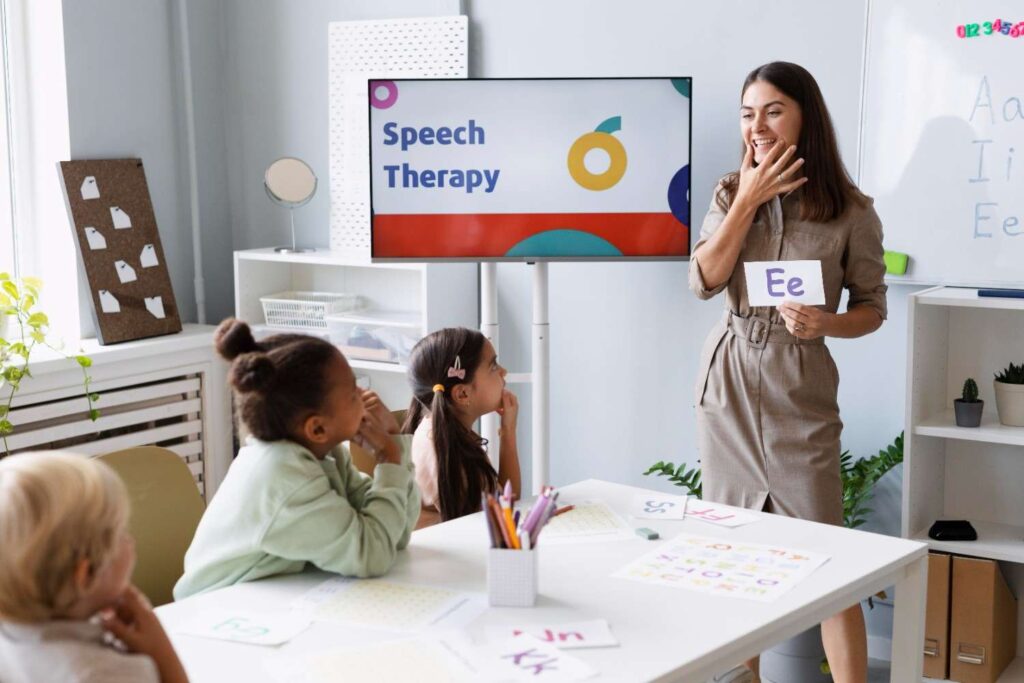
Speech therapy Toronto refers to professional assessment and treatment services provided by certified speech-language pathologists in Toronto, Canada. These services help individuals improve communication, including speech clarity, language comprehension, voice quality, and swallowing, through personalized therapy plans tailored to children, adults, and seniors.
Why Speech Therapy Matters in Toronto
Toronto’s diverse population brings unique communication challenges. For example, multilingual households may experience language development differences, while aging populations face increased risks of stroke-related speech disorders.
According to Speech-Language & Audiology Canada, speech-language pathologists play a critical role in diagnosing and treating communication disorders across all age groups. Early intervention can significantly improve outcomes, especially for children.
Moreover, communication is tied directly to academic success, employment opportunities, and social well-being. Without proper support, even minor speech issues can affect confidence and quality of life.
Who Needs Speech Therapy in Canada?
Speech therapy in Toronto supports a wide range of individuals:
Children
- Speech delays (late talking)
- Autism spectrum disorder (ASD)
- Learning disabilities
- Pronunciation difficulties
Adults
- Stuttering or fluency disorders
- Voice disorders (e.g., hoarseness)
- Accent modification (common in multicultural Toronto)
Seniors
- Stroke recovery (aphasia)
- Parkinson’s-related speech issues
- Swallowing disorders (dysphagia)
According to Ontario Health, early identification and intervention can reduce long-term healthcare needs and improve patient independence.
Types of Speech Therapy Services in Toronto
Toronto offers a wide range of specialized services:
1. Pediatric Speech Therapy
Focuses on speech delays, articulation, and language development in children.
2. Adult Speech Therapy
Addresses communication challenges due to injury, illness, or neurological conditions.
3. Accent Modification Therapy
Helps newcomers improve clarity while preserving identity.
4. Voice Therapy
Used for professionals like teachers or singers experiencing vocal strain.
5. Swallowing Therapy (Dysphagia)
Supports individuals with difficulty eating or drinking safely.
How Speech Therapy Works: Step-by-Step
Understanding the process helps reduce anxiety and set expectations.
Step 1: Initial Assessment
The therapist evaluates speech, language, and communication skills using standardized tools.
Step 2: Diagnosis
A clear diagnosis is provided based on clinical findings.
Step 3: Personalized Treatment Plan
Goals are tailored to the individual’s needs.
Step 4: Therapy Sessions
Regular sessions (weekly or biweekly) include exercises and activities.
Step 5: Progress Monitoring
Adjustments are made based on improvement.
From my experience reviewing Canadian therapy models, consistency is the biggest factor in success—not just the sessions, but also practice at home.
Cost of Speech Therapy in Toronto
Speech therapy costs vary depending on provider and service type.
- Private sessions: $100–$180 per session
- Initial assessment: $150–$300
- Insurance: Many Canadian plans cover partial costs
Public services (e.g., through Ontario’s healthcare system) may be free but often have long waitlists.
Public vs Private Speech Therapy in Canada
| Feature | Public Services (Ontario) | Private Clinics (Toronto) |
|---|---|---|
| Cost | Free (covered by OHIP-related programs) | Paid ($100–$180/session) |
| Wait Time | Long (months to years) | Short (days to weeks) |
| Flexibility | Limited scheduling | Flexible appointments |
| Customization | Standardized programs | Highly personalized |
| Availability | Limited for adults | Widely available |
How to Choose the Right Speech Therapist in Toronto
Choosing the right therapist is crucial. Here’s what to consider:
- Certification with Speech-Language & Audiology Canada
- Experience with your specific condition
- Location or virtual options
- Reviews and testimonials
- Treatment approach (evidence-based)
For a trusted starting point, explore professional speech therapy services in Toronto tailored to your needs that focus on personalized care and measurable progress.
Checklist: Getting Started with Speech Therapy
- Identify your specific concern (speech, language, voice)
- Consult your family doctor (optional but helpful)
- Research certified therapists in Toronto
- Check insurance coverage
- Book an initial assessment
- Commit to consistent sessions
- Practice exercises at home
Benefits of Early Intervention
Early speech therapy leads to better outcomes. For example:
- Children develop stronger literacy skills
- Adults regain independence faster after stroke
- Seniors maintain communication and social connections
According to the Canadian Institute for Health Information, early rehabilitation reduces long-term healthcare costs and improves patient outcomes.
People Also Ask (PAA)
1. How much does speech therapy cost in Toronto?
Speech therapy in Toronto typically costs between $100 and $180 per session. Initial assessments may cost more. Some insurance plans cover part of the expense.
2. Is speech therapy covered in Canada?
Public programs in Ontario may cover speech therapy, especially for children. However, wait times can be long, and private therapy is often faster.
3. How long does speech therapy take to work?
Results vary depending on the condition. Some clients see improvements in a few weeks, while others may need several months of consistent therapy.
4. Do adults benefit from speech therapy?
Yes, adults benefit significantly, especially for conditions like stroke recovery, stuttering, or voice disorders. Therapy can improve both communication and confidence.
5. Can speech therapy be done online in Toronto?
Yes, many Toronto clinics offer virtual sessions. These are effective and convenient, especially for busy families or individuals.
FAQs (Q&A Section)
1. What qualifications should a speech therapist in Toronto have?
Speech therapists should be registered with Speech-Language & Audiology Canada and have a master’s degree in speech-language pathology. This ensures they meet national standards.
2. Is a doctor’s referral required for speech therapy in Canada?
In most cases, a referral is not required for private therapy. However, public services may require one as part of the intake process.
3. How often should therapy sessions occur?
Typically, sessions occur once or twice per week. Frequency depends on the severity of the condition and the treatment plan.
4. What happens if therapy is delayed?
Delays can lead to more complex communication issues. Early intervention is strongly recommended to achieve the best outcomes.
5. Are parents involved in children’s speech therapy?
Yes, parental involvement is critical. Therapists often provide exercises and guidance to reinforce learning at home.
Conclusion
Finding the right speech therapy Toronto solution can make a life-changing difference. Whether you’re addressing a child’s speech delay, recovering from a medical condition, or improving communication skills, Toronto offers a wide range of high-quality options.
The key is to act early, choose a qualified professional, and stay consistent with therapy. If you’re ready to take the next step, explore trusted speech therapy solutions designed for Toronto families and begin your journey toward confident communication today.
Tags: speech therapist toronto, speech therapy toronto, speech therapy toronto adults, speech therapy toronto autism, speech therapy toronto cost, speech therapy toronto kids, speech therapy toronto near me, speech therapy toronto nsw, speech therapy toronto reddit, speech therapy toronto toddler