
Table of Contents
- Introduction
- What Is In-Home Speech Therapy Aurora?
- Why Families in Aurora Choose In-Home Speech Therapy
- How In-Home Speech Therapy Works in Canada
- Who Benefits from In-Home Speech Therapy Aurora
- Common Speech and Language Challenges Treated
- In-Home vs Clinic-Based Therapy (Comparison Table)
- Step-by-Step: Getting Started with In-Home Speech Therapy
- Costs, Insurance, and Coverage in Canada
- Choosing the Right Speech Therapist in Aurora
- Evidence-Based Approaches Used in Canada
- People Also Ask (PAA)
- FAQs / Expert Q&A
- Conclusion
Introduction
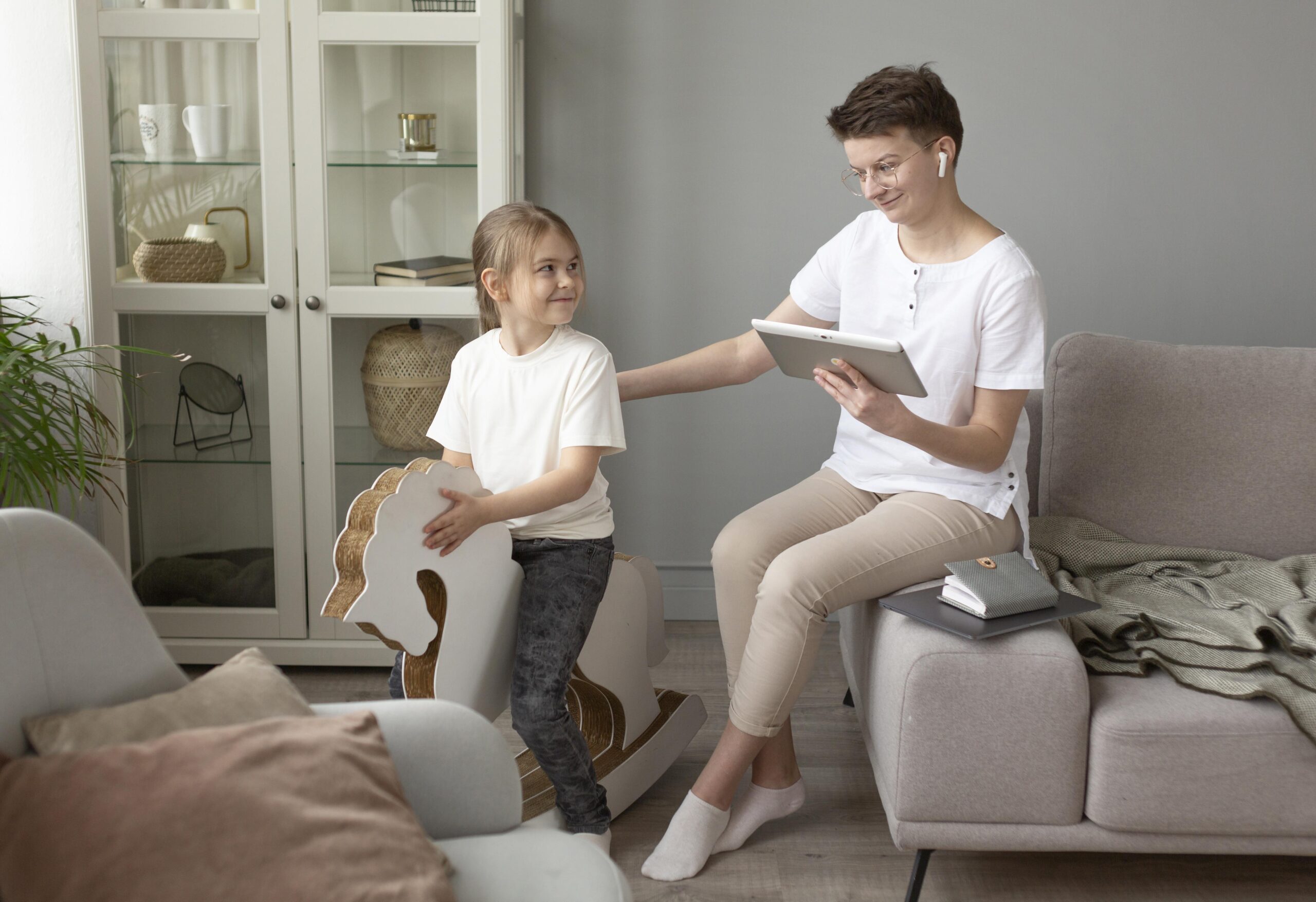
If you’re searching for In-Home Speech Therapy Aurora, you’re likely looking for convenient, personalized support to improve communication skills, either for yourself, your child, or a loved one. From my experience working with families across Ontario, in-home therapy often creates faster progress because it happens in a familiar, comfortable environment.
In Aurora, Ontario, a growing town within York Region, families are increasingly choosing in-home speech therapy due to its flexibility and individualized approach. Rather than commuting to clinics, therapy comes directly to you, allowing real-life practice in everyday settings.
What Is In-Home Speech Therapy Aurora?
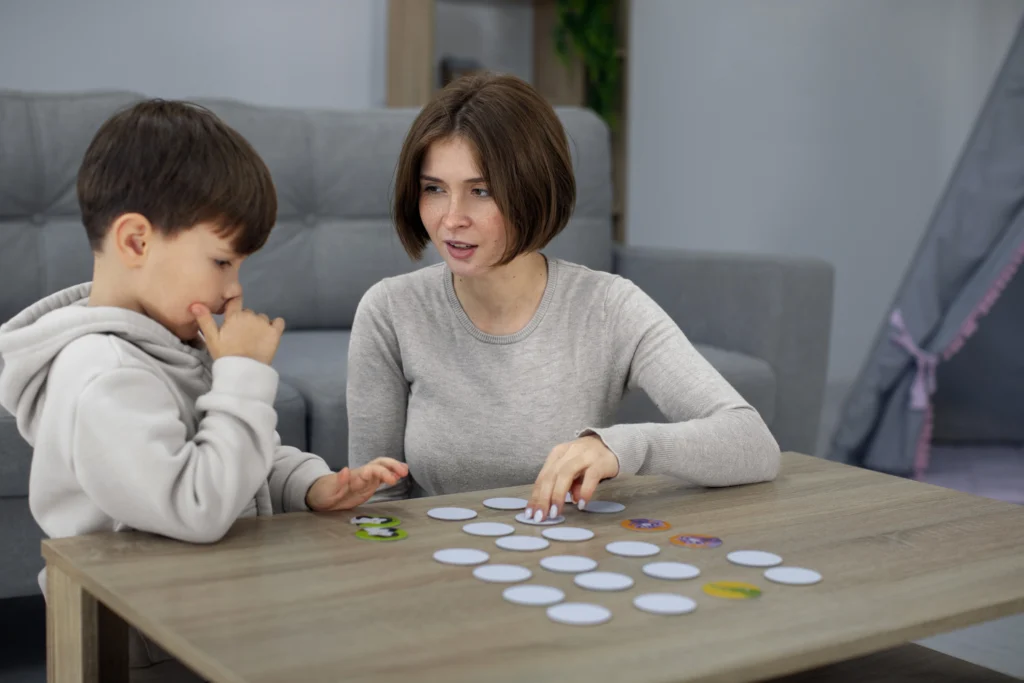
In-Home Speech Therapy Aurora is a personalized service where licensed speech-language pathologists visit your home to assess and treat communication challenges. It focuses on improving speech, language, and swallowing skills using real-life environments, making therapy more practical, comfortable, and effective for children and adults in Aurora, Canada.
Why Families in Aurora Choose In-Home Speech Therapy
There’s a reason why this approach is gaining popularity across Canada.
1. Comfort and Familiarity
Children especially perform better in their own homes. Toys, routines, and family members are already present, which makes sessions more natural.
2. Real-Life Application
Unlike clinics, therapists can observe how communication happens during daily activities, like meals or playtime, and tailor strategies accordingly.
3. Parent Involvement
Parents are more involved, which improves outcomes. According to the American Speech-Language-Hearing Association, caregiver participation significantly enhances therapy success.
4. Reduced Travel Stress
Aurora families often juggle school, work, and activities. In-home therapy eliminates travel time, making scheduling easier.
How In-Home Speech Therapy Works in Canada
Speech-language pathologists (SLPs) in Canada are regulated professionals. In Ontario, they are overseen by regulatory bodies to ensure ethical and evidence-based care.
Here’s how the process typically works:
Initial Assessment
A therapist visits your home and evaluates communication skills using standardized tools and observation.
Goal Setting
Goals are customized. For example:
- Improving articulation (clear speech)
- Expanding vocabulary
- Enhancing social communication
Therapy Sessions
Sessions usually last 45–60 minutes and may include:
- Play-based therapy for children
- Cognitive-communication strategies for adults
- Exercises for speech clarity
Progress Monitoring
Therapists regularly adjust plans based on progress.
According to Speech-Language & Audiology Canada, early intervention is critical for better long-term communication outcomes.
Who Benefits from In-Home Speech Therapy Aurora
This service supports a wide range of individuals:
Children
- Speech delays
- Autism spectrum disorder (ASD)
- Language development issues
Adults
- Stroke recovery (aphasia)
- Brain injury rehabilitation
- Voice disorders
Seniors
- Swallowing difficulties (dysphagia)
- Cognitive decline affecting communication
Common Speech and Language Challenges Treated
In-home therapy in Aurora addresses many conditions:
- Articulation disorders (difficulty pronouncing sounds)
- Language delays (limited vocabulary or grammar)
- Fluency disorders (stuttering)
- Social communication issues
- Voice disorders
- Swallowing difficulties
The why behind treatment matters. For example, articulation therapy isn’t just about repeating sounds—it involves motor planning and muscle coordination, which therapists train using structured techniques.
In-Home vs Clinic-Based Therapy (Comparison Table)
| Feature | In-Home Speech Therapy Aurora | Clinic-Based Therapy |
|---|---|---|
| Environment | Familiar, real-life setting | Controlled clinical setting |
| Convenience | No travel required | Requires commuting |
| Family Involvement | High | Moderate |
| Personalization | Highly tailored | Standardized approach |
| Cost | Often slightly higher | Typically lower |
| Engagement | Natural and functional | Structured and formal |
Step-by-Step: Getting Started with In-Home Speech Therapy
Here’s a simple checklist to begin:
- Identify concerns (speech clarity, delays, etc.)
- Consult your family doctor (optional but helpful)
- Research certified therapists in Aurora
- Book an initial assessment
- Review therapy plan and goals
- Schedule regular sessions
- Practice techniques between sessions
If you’re ready to explore services, you can learn more about personalized speech therapy support in Aurora tailored to Canadian families.
Costs, Insurance, and Coverage in Canada
Typical Costs (Estimated)
- $120–$180 per session (varies by provider and location)
Coverage Options
- Private insurance plans often cover speech therapy
- Some services may qualify for:
- Ontario Autism Program (OAP)
- Extended health benefits
Important Note
Coverage depends on your insurance provider. Always verify eligibility beforehand.
Choosing the Right Speech Therapist in Aurora
Selecting the right professional is key.
Look for:
- Certification in Canada (SLP credentials)
- Experience with your specific concern
- Positive reviews or testimonials
- Clear communication and goal-setting
Questions to Ask:
- What approach do you use?
- How is progress measured?
- Can parents participate?
Evidence-Based Approaches Used in Canada
Speech therapists in Aurora rely on proven methods:
Play-Based Therapy
Especially effective for young children, this uses toys and interaction to build communication.
Cognitive-Communication Therapy
Used for adults recovering from brain injuries.
Articulation Therapy
Focuses on sound production using repetition and feedback.
Research from the Canadian Journal of Speech-Language Pathology supports individualized, context-based therapy as highly effective.
People Also Ask (PAA)
1. Is in-home speech therapy effective?
Yes, it is highly effective because therapy occurs in a natural environment. This allows skills to transfer more easily into daily life, improving long-term outcomes.
2. How long does speech therapy take to show results?
Results vary, but many families notice improvements within a few months. Consistency and practice at home significantly influence progress.
3. Do I need a referral for speech therapy in Aurora?
No, most private services do not require a referral. However, a doctor’s recommendation can help with insurance claims.
4. What age should speech therapy start?
Early intervention is ideal. Many children begin as early as 18–24 months if delays are identified.
5. Is speech therapy covered by OHIP?
Generally, OHIP does not cover private speech therapy. However, some publicly funded programs may be available for eligible individuals.
FAQs / Expert Q&A
1. How is progress measured in in-home speech therapy?
Therapists use structured assessments and track milestones over time. They also observe real-life improvements, such as clearer speech or better social interaction.
2. Can in-home therapy work for children with autism?
Yes. In fact, many children with autism benefit more in familiar environments, where routines and comfort support learning.
3. What should I do between sessions?
Practice is essential. Therapists usually provide exercises or activities to reinforce skills daily.
4. Are parents required to be present during sessions?
For children, yes, parent involvement is strongly encouraged. It helps reinforce strategies outside therapy time.
5. How do I know if my child needs speech therapy?
Look for signs like limited vocabulary, unclear speech, or difficulty understanding instructions. If unsure, an assessment can provide clarity.
Conclusion
In-Home Speech Therapy Aurora offers a flexible, effective, and personalized way to improve communication skills for individuals of all ages. By bringing therapy into your home, it bridges the gap between structured learning and real-life application, something I’ve consistently seen lead to better outcomes for Canadian families.
If you’re considering taking the next step, exploring professional support tailored to your needs can make a meaningful difference. Start by reviewing your options and connecting with qualified therapists who understand the Aurora community.
Communication is essential, and with the right support, progress is absolutely possible.