

Finding free speech therapy Toronto services can feel overwhelming, especially if you’re navigating waitlists, eligibility criteria, and different programs across Canada. From my experience helping families research accessible care, the biggest challenge isn’t availability, it’s knowing where to look and how to qualify.
In Canada, speech therapy is often publicly funded through healthcare, education systems, and community programs. However, access varies based on age, location, and referral pathways. This guide breaks down everything you need to know in a clear, practical way, so you can take action confidently.
📑 Table of Contents
- What Is Free Speech Therapy Toronto?
- How Speech Therapy Works in Canada
- Who Qualifies for Free Speech Therapy in Toronto
- Types of Free Speech Therapy Programs
- Comparison Table: Free vs Private Speech Therapy
- Step-by-Step Checklist to Access Free Services
- Real-World Insights from Canada
- Benefits and Limitations of Free Programs
- People Also Ask (PAA)
- Q&A Section
- Conclusion
What Is Free Speech Therapy Toronto?
Free speech therapy Toronto refers to publicly funded speech-language pathology services available through Ontario healthcare, schools, and community programs. These services help children and adults improve communication skills, often at no cost, but may require referrals, eligibility assessments, and waiting periods depending on the program.
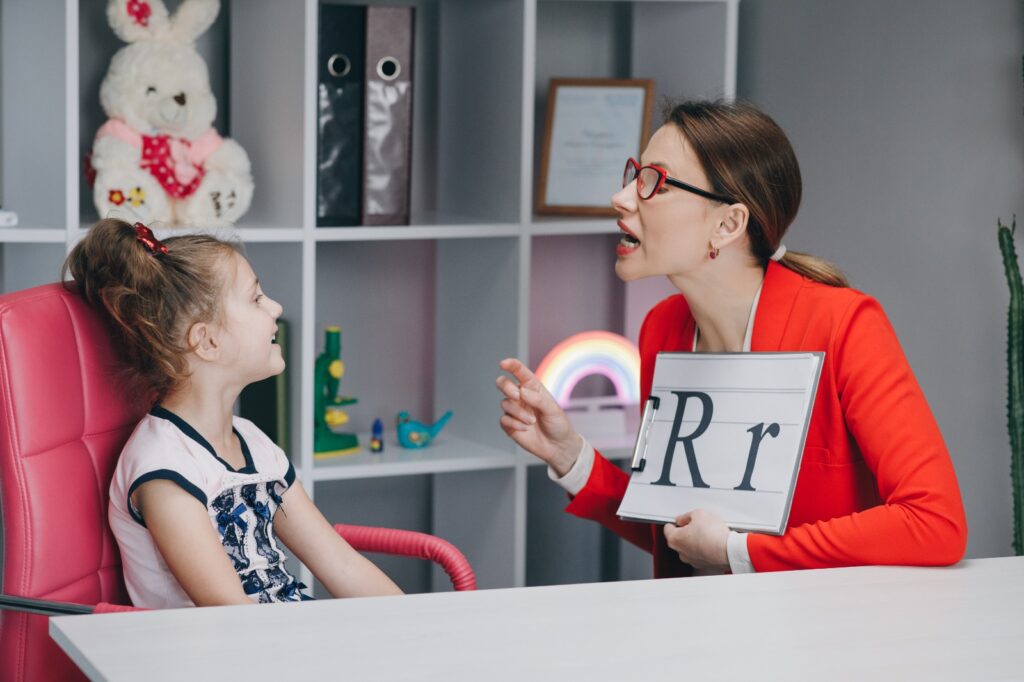
How Speech Therapy Works in Canada
Speech therapy in Canada is primarily delivered by Speech-Language Pathologists (SLPs), licensed professionals regulated by provincial bodies like College of Audiologists and Speech-Language Pathologists of Ontario (CASLPO).
Key Systems That Provide Free Services:
- Public Healthcare (OHIP-related programs)
- School-based therapy (Ontario Ministry of Education)
- Community health centres
- Early intervention programs for children
According to the Government of Ontario, children under 18 can access publicly funded speech and language services through regional programs. These services focus heavily on early development.
Additionally, organizations like Speech-Language & Audiology Canada emphasize early intervention as critical for long-term communication outcomes.
Who Qualifies for Free Speech Therapy in Toronto
Eligibility for free speech therapy Toronto programs depends on several factors:
For Children:
- Age (typically 0–18 years)
- Developmental delays or diagnosed conditions
- Referral from a doctor, teacher, or parent
For Adults:
- Medical conditions (e.g., stroke, brain injury)
- Referral through hospital or rehabilitation programs
Important Note:
Access is not guaranteed immediately. Waitlists are common, especially in urban areas like Toronto.
According to the Canadian Institute for Health Information, demand for rehabilitation services, including speech therapy, has increased in recent years, contributing to longer wait times.
Types of Free Speech Therapy Programs in Toronto
1. Preschool Speech and Language Programs
These are among the most widely used services.
- Target: Children under school age
- Focus: Early communication skills
- Referral: Parents or healthcare providers
2. School-Based Speech Therapy
Delivered through public schools.
- Target: School-aged children
- Focus: Academic communication (reading, articulation)
- Access: Through school assessments
3. Hospital and Rehabilitation Services
For adults recovering from medical conditions.
- Includes stroke recovery, neurological disorders
- Requires physician referral
4. Community Health Centres
Offer limited but valuable services.
- Often include multilingual support
- May prioritize underserved populations
Comparison Table: Free vs Private Speech Therapy in Toronto
| Feature | Free Speech Therapy Toronto | Private Speech Therapy |
|---|---|---|
| Cost | Free (publicly funded) | $100–$250/session |
| Wait Time | Weeks to months | Immediate availability |
| Customization | Standardized programs | Highly personalized |
| Eligibility Required | Yes | No |
| Access Method | Referral-based | Direct booking |
| Availability | Limited slots | Flexible scheduling |
Step-by-Step Checklist to Access Free Speech Therapy
If you’re trying to secure free speech therapy Toronto, follow this process:
✅ Step-by-Step Access Checklist
- Identify the Need
- Speech delay, articulation issues, or medical condition
- Consult a Professional
- Family doctor, pediatrician, or teacher
- Request a Referral
- Required for most public programs
- Apply to Regional Programs
- Ontario Early Years or school boards
- Complete Assessment
- Conducted by a licensed SLP
- Join Waitlist
- Be prepared for delays
- Attend Sessions
- Follow therapy plan consistently
Real-World Insights from Canada
From my experience researching and speaking with families across Ontario, one key insight stands out:
Many parents assume free services are unavailable, but in reality, they exist, just not always well advertised.
For example:
- Parents often discover preschool programs through daycare referrals.
- Adults frequently access therapy only after hospital discharge, not before.
Practical Tip:
Combine free services with occasional private sessions if budget allows. This hybrid approach can reduce delays and improve outcomes.
Benefits and Limitations of Free Speech Therapy Toronto
Benefits:
- No financial burden
- Access to certified professionals
- Structured, evidence-based programs
Limitations:
- Long wait times
- Limited session frequency
- Less individualized attention
People Also Ask (PAA)
1. Is speech therapy free in Toronto for children?
Yes, many programs funded by the Ontario government provide free speech therapy for children under 18, especially through preschool and school-based services.
2. How long is the wait for free speech therapy Toronto?
Wait times vary but typically range from a few weeks to several months, depending on demand and program availability.
3. Do adults qualify for free speech therapy in Toronto?
Adults may qualify if they have medical conditions like stroke or neurological disorders, usually through hospital or rehabilitation programs.
4. Do I need a referral for speech therapy in Canada?
Most publicly funded programs require a referral from a healthcare provider or educational professional.
5. Are online speech therapy services free in Canada?
Some community programs offer virtual sessions, but availability is limited and often still requires eligibility approval.
Q&A Section: Expert-Level Insights
1. What is the difference between public and private speech therapy outcomes?
Public programs focus on essential communication skills, while private therapy often provides more frequent and customized sessions. Outcomes depend heavily on consistency and early intervention.
2. Can newcomers to Canada access free speech therapy Toronto?
Yes, many programs are accessible to residents, including newcomers, but eligibility may depend on health coverage or community program criteria.
3. How early should a child start speech therapy?
Early intervention is critical. Experts recommend assessment as early as 18–24 months if delays are suspected.
4. Are bilingual children eligible for speech therapy?
Yes. Speech-language pathologists assess communication skills across languages to determine if support is needed.
5. What happens if I’m on a long waitlist?
You can explore interim options such as community workshops, online resources, or limited private sessions while waiting.
Conclusion
Accessing free speech therapy Toronto services in Canada is absolutely possible, but it requires awareness, persistence, and the right steps. While waitlists and eligibility requirements can slow things down, publicly funded programs offer valuable support for both children and adults.
If you’re ready to take the next step, explore professional guidance and resources through expert speech therapy services tailored for Canadians to better understand your options and accelerate progress.
Tags: free speech therapy toronto, how much does speech therapy cost in canada, how much does speech therapy cost in ontario, how to get free speech therapy, is speech therapy covered by ohip, speech therapy toronto cost